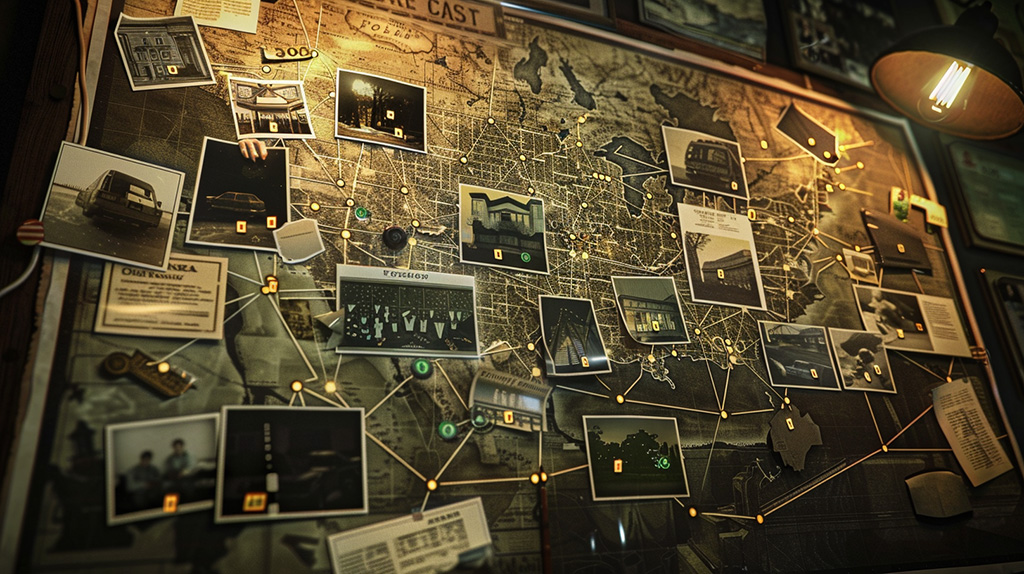
People Search and Address Location | Reconnect the clues when you cannot find someone
When someone goes missing or suddenly stops responding, worry and uncertainty can be difficult to put into words. You may be looking for a family member, an old friend or colleague, a person who is avoiding contact over a debt, or someone whose safety you want to confirm. You may have only a few old clues.
Whether your reason is concern, responsibility, a legal need, or a wish to resolve something unfinished, the purpose is to give you verifiable information so you do not have to keep guessing.
What is a people search?
It is not about intruding on someone's life or creating an unwanted encounter. It is a discreet, lawful process to understand a person's current circumstances: whether they remain in a known area, a possible current residence, changes in work, phone, or social circle, known contacts, whether contact was deliberately stopped or life circumstances changed, and whether there is a safety concern. We avoid unnecessary contact or disruption and provide information that may help you make a decision.
Our principles: discreet, careful, and protective of everyone
This is sensitive work. We aim not to alarm the person, create risk or harm, or disclose information about you or the person being sought. We provide information within a necessary and lawful scope. Safety and legality are basic requirements.
How the search works
1. Understand your need
We discuss your relationship with the person, when and how contact ended, the last interaction, known background, what concerns you most, and what you would like to do if the person is found. The search direction depends on your purpose.
2. Organize available information
Information may be incomplete or old. We organize names, approximate age, former addresses, workplaces, phone numbers, relatives, colleagues, known locations, social platforms, activity history, and other useful clues. You do not need a complete file; an initial lead may be enough to begin an assessment.
3. Check leads through lawful channels
Depending on the case, we may compare publicly available information, organize known activity patterns, make appropriate local inquiries, review possible social connections, compare previous addresses or known places, and provide relevant information for legal needs. We do not disclose your identity unnecessarily or disrupt the person's life.
4. Narrow down possible location and status
We assess possible residences or activity areas, whether the person appears to remain in the area, whether there are indications of intentionally concealed contact, available lawful contact methods, and basic circumstances that can be verified without intruding into private life. The aim is to establish what can reasonably be confirmed about the person's whereabouts.
5. Report and discuss next steps
You receive a clear account of findings, such as an address or likely activity area where lawfully available, a contact method if appropriate, the basic context of the person's current situation, and possible next steps. If legal issues are involved, we can discuss appropriate follow-up options.
A final word
Not being able to contact someone can leave a question hanging in your mind—whether they are family, a friend, someone for whom you have responsibility, or a person with whom you have unfinished words. Seeking information can be a way to resolve uncertainty, not to interfere. We can help you review the clues and consider a careful next step.
Why Should You Hire Zitong?
Standing Up for Justice with Zitong — Protecting the Truth for You
- Privacy protection and accurate investigation.
- Professional skills and comprehensive services.
- Thoughtful support and emotional counseling.
- Sincere cooperation and trustworthy assurance.